ॐ
Char Dham and Sapta Puri — Dwarka's Place
Guide

Char Dham and Sapta Puri — Dwarka's Place

Why Dwarka Gujarat is among Char Dham and Sapta Puri — scriptural lists, pilgrimage circuits, and spiritual geography explained.

On this page

Dwarka in Sacred Geography

Dwarka Gujarat holds a place in both the Char Dham (four abodes: Badrinath, Puri, Rameswaram, Dwarka) and Sapta Puri (seven moksha-giving cities including Ayodhya, Mathura, Haridwar, Kashi, Ujjain, and Kanchipuram alongside Dwarka). Adi Shankaracharya established a matha here, reinforcing its pan-Indian pilgrimage status.

Why Dwarka Matters

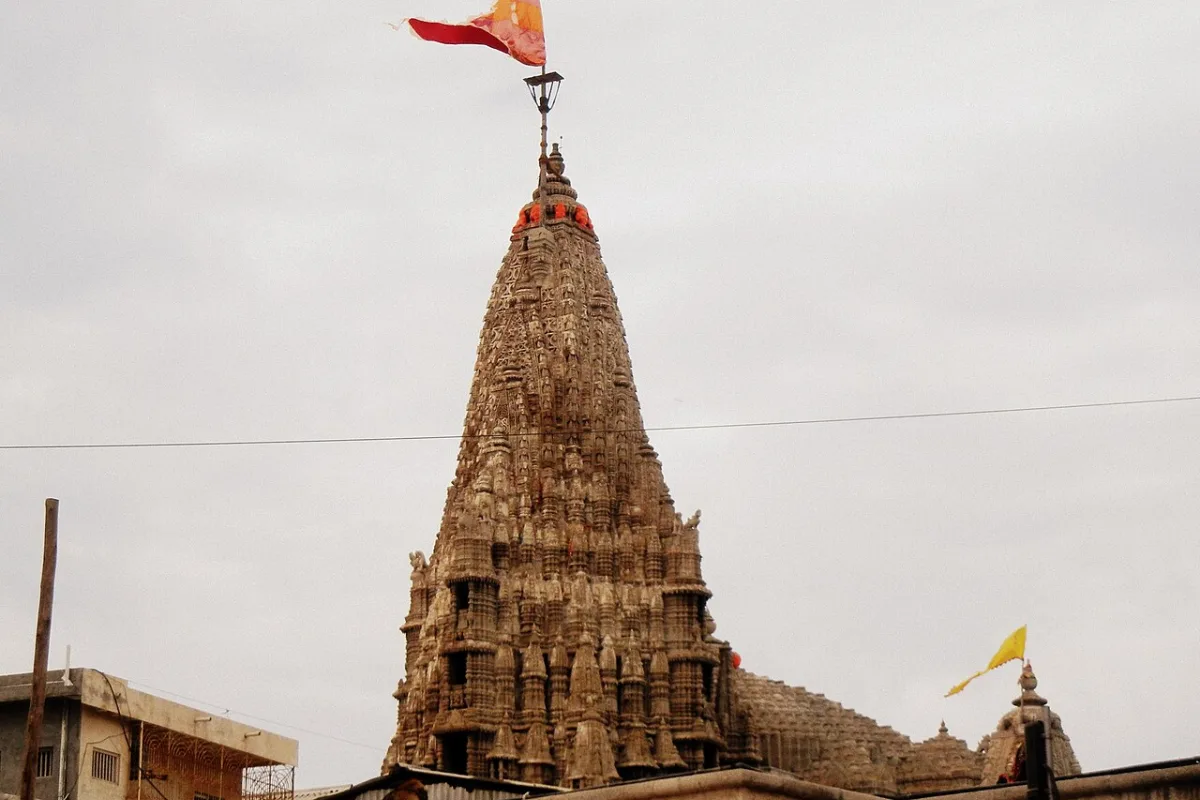
As Krishna's western kingdom in scripture, Dwarka represents the completion of the Char Dham circuit for devotees who cannot reach all four corners in one journey. The Dwarkadhish Temple enshrines Ranchhodrai — Krishna as king of Dvaraka — distinct from Mathura's pastoral Krishna lore.

Pilgrimage Circuits

  • Char Dham yatra: Dwarka anchors the west
  • Sapta Puri: Dwarka listed in Garuda Purana and other texts
  • Regional: Dwarka + Somnath + Nageshwar Jyotirlinga triangle

Deep Dive: Char Dham and Sapta Puri

Dwarka anchors the western Char Dham and appears among Sapta Puri moksha cities, linking Krishna's kingdom to pan-Indian pilgrimage maps.

Char Dham and Sapta Puri belongs to Dev Bhumi Dwarka on Gujarat's Saurashtra coast — Krishna's legendary kingdom on the Arabian Sea, not the Dwarka suburb in Delhi NCR. Pilgrims and travellers use this guide to plan darshan, coastal walks, heritage stops, and practical logistics across Okhamandal and neighbouring talukas.

Historical and Spiritual Context

Scripture places ancient Dvaraka (Kushasthali) as the fortified capital of the Yadavas under Lord Krishna after the migration from Mathura. Living devotion continues at Dwarkadhish Temple, Bet Dwarka island, Rukmini Temple, Gomti Ghat, and Nageshwar Jyotirlinga. Marine archaeology off the present coastline has documented submerged stone structures, while inland sites such as Ghumli and Pindara preserve medieval temple art.

Badrinath, Puri, Rameswaram, and Dwarka form the classic four; Sapta Puri adds Ayodhya, Mathura, Haridwar, Kashi, Kanchi, and Ujjain beside Dwarka.

Ranchhodrai worship at Dwarka emphasises Krishna as king rather than only the pastoral Braj form.
Visitor Experience

Complete western Gujarat circuits often add Somnath and Nageshwar with Dwarka for a Shaiva–Vaishnava combined yatra.

Winter (October–March) offers the most comfortable weather for temple circuits and beach time. Summers are hot and humid; monsoon can disrupt ferries though Sudarshan Setu (Okha–Beyt Dwarka) remains open 24×7. Dress modestly at shrines, remove footwear at sanctums, and avoid photography inside garbhagrihas.

Practical Tips

  • Study Adi Shankaracharya matha tradition for context
  • Do not confuse Char Dham with Chota Char Dham (Himalayas)
  • Book hotels 2–4 weeks ahead for December–January and Janmashtami peaks
  • Nearest airport: Jamnagar (~137 km); railhead: Dwarka (DWR) ~1.5 km from main temple

Combine With Nearby Stops

  • Dwarkadhish Temple
  • Char Dham explained
  • Sapta Puri significance

Getting Around Devbhumi Dwarka

Local autos and taxis connect Dwarkadhish, Gomti Ghat, Rukmini Temple, and Gopi Talav. For Bet Dwarka, drive via Sudarshan Setu or take the Okha ferry (6:00 AM–7:00 PM, ₹10–30). Day trips reach Shivrajpur Beach (~12 km), Nageshwar (~17 km), Khambhalia (~25 km), and Ghumli (~60 km). GSRTC buses and private taxis link Ahmedabad, Rajkot, Somnath, and Jamnagar.

Plan the Rest of Your Trip

Pair this page with dwarka.info guides on temple timings, how to reach Dwarka, best season, hotels, festivals, and taluka overviews (Okhamandal, Khambhalia, Kalyanpur, Bhanvad). Build a 1–3 day itinerary that balances darshan, coast, and heritage without confusing Gujarat's sacred Dwarka with Delhi Dwarka.

Related Guides